
Home Care Support After Stroke: Essential Tips for Safe Recovery and Independence
Home Care Support After a Stroke: A Complete Guide to Safe Recovery and Regaining Independence
A stroke is one of the leading causes of long-term disability worldwide. Recovery can be a challenging journey, not only for the survivor but also for family members and caregivers. While hospital treatment is the first step, the quality of care received at home plays a crucial role in determining how well a person regains independence, prevents complications, and improves their overall quality of life.
Professional home healthcare bridges the gap between hospital discharge and full recovery by providing personalized support, rehabilitation assistance, and compassionate care in the comfort of the client’s home.
In this guide, we explore the essential aspects of home care support for stroke survivors and how families can create the best environment for recovery.
Understanding Stroke Recovery
A stroke occurs when blood flow to a part of the brain is interrupted or when a blood vessel in the brain ruptures. Depending on the severity and location of the stroke, survivors may experience:
- Weakness or paralysis on one side of the body
- Difficulty walking or maintaining balance
- Speech and language difficulties (Aphasia)
- Memory loss or cognitive impairment
- Difficulty swallowing (Dysphagia)
- Vision problems
- Emotional changes such as anxiety, depression, or mood swings
Recovery varies from person to person. Some individuals recover within months, while others may require long-term rehabilitation and support. Consistent home care significantly improves recovery outcomes.
Creating a Safe Home Environment
Safety should be the first priority when caring for a stroke survivor at home. Since mobility and balance may be affected, reducing the risk of falls is essential.
Ways to Improve Home Safety
- Remove loose rugs, electrical cords, and unnecessary furniture that may cause tripping.
- Install grab bars in bathrooms and near toilets.
- Add sturdy handrails to stairways.
- Improve lighting in hallways, bedrooms, and bathrooms.
- Keep frequently used items within easy reach.
- Use non-slip mats in bathrooms.
- Ensure mobility aids such as walkers, canes, or wheelchairs are correctly fitted and maintained.
A well-organized home allows the client to move around more confidently and safely.
Assisting with Daily Living Activities (ADLs)
Many stroke survivors initially need help with everyday tasks, including:
- Bathing
- Dressing
- Grooming
- Toileting
- Eating
- Personal hygiene
Professional caregivers provide the right amount of assistance while encouraging clients to perform as much of each task independently as possible. Promoting independence helps rebuild confidence and improves physical recovery.
Supporting Mobility and Physical Rehabilitation
Movement is one of the most important aspects of stroke recovery.
Caregivers should assist clients with:
- Safe transfers from bed to chair
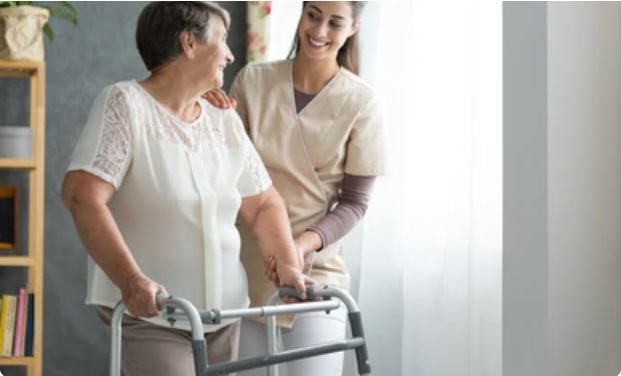
- Walking using prescribed mobility aids
- Daily stretching exercises
- Strength-building activities
- Balance training
For individuals with limited mobility, repositioning every two hours helps prevent pressure ulcers (bed sores), improves blood circulation, and reduces discomfort.
Following the rehabilitation plan developed by the physiotherapist is essential for achieving the best recovery outcomes.
Medication Management
Stroke survivors often take medications to reduce the risk of another stroke and manage related health conditions such as high blood pressure, diabetes, or high cholesterol.
Home caregivers help by:
- Ensuring medications are taken at the correct time.
- Using pill organizers or medication reminder systems.
- Monitoring for side effects.
- Reporting unusual symptoms to healthcare providers.
- Keeping an updated medication record.
Never stop or adjust medications without medical advice.
Providing Proper Nutrition and Hydration
Good nutrition supports healing, maintains energy, and reduces the risk of future strokes.
A healthy stroke recovery diet should include:
- Fruits and vegetables
- Whole grains
- Lean proteins
- Healthy fats
- Low-sodium foods
- Adequate water intake
If swallowing difficulties (dysphagia) are present, meals should follow recommendations provided by a speech-language pathologist.
This may include:
- Soft or pureed foods
- Thickened liquids
- Eating slowly
- Sitting upright during meals
- Monitoring for signs of choking
Proper nutrition greatly contributes to recovery and overall health.
Supporting Communication
Many stroke survivors experience speech or language difficulties.
Caregivers can help by:
- Speaking slowly and clearly.
- Asking simple questions.
- Giving enough time for responses.
- Avoiding interrupting or finishing sentences.
- Using communication boards, pictures, gestures, or digital communication devices when necessary.
Patience and encouragement help reduce frustration and improve confidence.
Preventing Common Stroke Complications
Ongoing monitoring can help identify problems before they become serious.
Caregivers should watch for:
- Skin breakdown or pressure ulcers
- Urinary tract infections
- Chest infections
- Blood clots
- Falls
- Muscle stiffness and joint contractures
- Dehydration
- Poor nutrition
Daily observation allows early intervention and prevents hospital readmissions.
Recognizing the Warning Signs of Another Stroke
Stroke survivors have a higher risk of experiencing another stroke.
Every caregiver should know the FAST warning signs:
F – Face Drooping
One side of the face appears uneven or numb.
A – Arm Weakness
The person cannot raise one arm or experiences sudden weakness.
S – Speech Difficulty
Speech becomes slurred, confused, or difficult to understand.
T – Time to Call Emergency Services
If any of these symptoms appear, seek emergency medical attention immediately.
Additional warning signs include:
- Sudden severe headache
- Loss of vision
- Confusion
- Loss of balance
- Sudden numbness
Prompt treatment can save brain function and lives.
Providing Emotional and Psychological Support
Stroke recovery affects emotional well-being as much as physical health.
Many survivors experience:
- Depression
- Anxiety
- Frustration
- Loss of confidence
- Social withdrawal
Family members and caregivers can help by:
- Listening with empathy.
- Encouraging participation in enjoyable activities.
- Celebrating small recovery milestones.
- Maintaining social connections.
- Encouraging participation in support groups when appropriate.
A positive emotional environment significantly improves motivation during rehabilitation.
Encouraging Rehabilitation Therapy
Successful recovery requires consistency.
Depending on individual needs, therapy may include:
Physical Therapy
Improves strength, mobility, balance, and coordination.
Occupational Therapy
Helps individuals regain independence in daily activities such as dressing, cooking, and personal care.
Speech and Language Therapy
Improves communication, swallowing, and cognitive function.
Attending scheduled therapy sessions and continuing prescribed exercises at home accelerates recovery.
Supporting Family Caregivers
Caring for a loved one recovering from a stroke can be physically and emotionally demanding.
Family caregivers should:
- Learn safe lifting and transfer techniques.
- Understand medication schedules.
- Participate in rehabilitation exercises.
- Share caregiving responsibilities.
- Take regular breaks to avoid caregiver burnout.
- Seek professional home healthcare support when needed.
Healthy caregivers provide better care.
Benefits of Professional Home Healthcare After a Stroke
Professional home healthcare services provide expert support that allows stroke survivors to recover comfortably at home while maintaining dignity and independence.
Benefits include:
- Personalized care plans
- Skilled nursing support
- Medication management
- Assistance with daily living activities
- Fall prevention strategies
- Rehabilitation support
- Health monitoring
- Emotional companionship
- Reduced hospital readmissions
- Improved quality of life
With professional care, families gain peace of mind knowing their loved one is receiving compassionate, expert attention.
Final Thoughts
Recovering from a stroke is a journey that requires patience, consistency, and the right support system. A safe home environment, proper nutrition, medication management, rehabilitation, and emotional encouragement all contribute to successful recovery.
Whether the goal is regaining mobility, rebuilding confidence, or preventing future complications, professional home healthcare can make a meaningful difference. Early intervention and compassionate care help stroke survivors achieve greater independence and enjoy a better quality of life.
How BeyondCare Home Healthcare Can Help
At BeyondCare Home Healthcare, we understand that every stroke survivor has unique needs. Our experienced nurses and professional caregivers provide personalized home care designed to support recovery, restore independence, and improve overall well-being—all within the comfort and familiarity of home.
Our stroke home care services include:
- Professional nursing care
- Personal care assistance
- Medication management
- Mobility and transfer support
- Rehabilitation assistance
- Nutritional guidance
- Health monitoring
- Family caregiver education
- Post-hospital recovery support
- Companionship and emotional support
If you or a loved one is recovering from a stroke, let BeyondCare Home Healthcare provide the compassionate, professional care needed for a safer and more successful recovery.
Visit: www.beyondcareonline.com to learn more about our services or contact our team to arrange a personalized home care plan.
Frequently Asked Questions (FAQ)
1. How long does stroke recovery take at home?
Recovery varies depending on the severity of the stroke, age, overall health, and commitment to rehabilitation. Some people improve within a few months, while others may require long-term care.
2. Can a stroke survivor fully recover?
Many stroke survivors regain significant independence with early rehabilitation, consistent therapy, and quality home healthcare, although recovery differs from person to person.
3. What are the most important home care needs after a stroke?
Key needs include medication management, mobility assistance, rehabilitation exercises, nutrition, fall prevention, personal care, emotional support, and regular health monitoring.
4. How can family members help during stroke recovery?
Families can provide encouragement, assist with daily activities, ensure medications are taken correctly, support therapy exercises, and create a safe home environment.
5. When should professional home healthcare be considered?
Professional home healthcare is recommended after hospital discharge, when the survivor requires skilled nursing, rehabilitation support, assistance with daily living, or ongoing medical monitoring to recover safely at home.
